Raw Milk tips
How Long Does Raw Milk Last?
Everything You Need to Know.
One of the most common questions we get is:
"How long does raw milk last?"
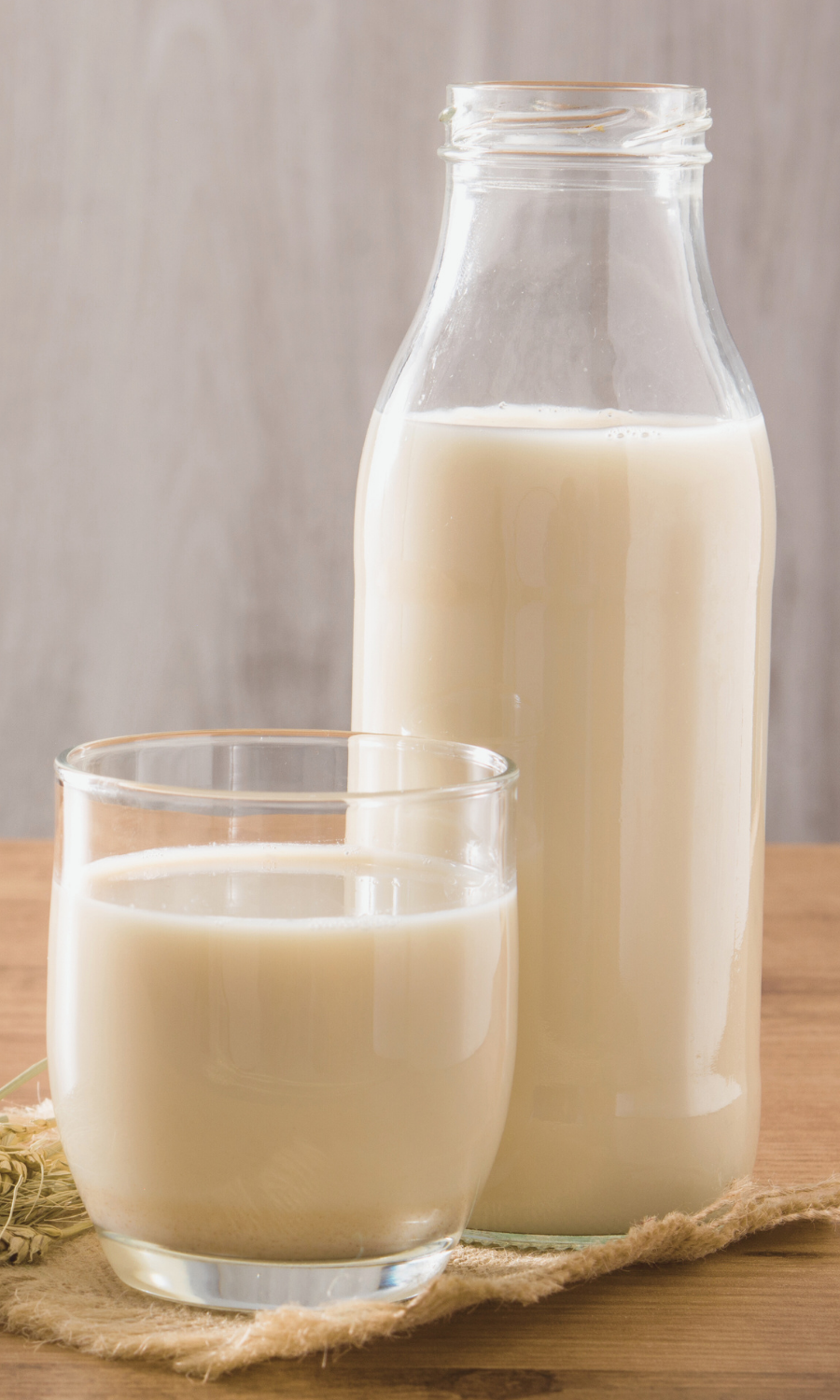
The short answer is that raw milk typically stays fresh for 7–10 days when properly refrigerated, and often even longer when it's exceptionally fresh and handled carefully. Our milk usually lasts 2-3 weeks if unopened in the fridge.
Here on our farm, we take that responsibility seriously. Every bottle of milk is chilled immediately after milking, handled with sanitary milking equipment, and bottled in freshly sanitized containers. We also make sure the milk you take home is never more than 48 hours old, giving you the freshest product possible and the best opportunity for a long shelf life.
Why Raw Milk Is Different Than Store-Bought Milk?
The milk you find at the grocery store has been pasteurized, meaning it has been heated to destroy bacteria. This process helps extend shelf life, often allowing unopened milk to last two to three weeks.
However, pasteurization doesn't just affect harmful bacteria, it also changes the milk's natural enzymes, beneficial bacteria, and overall structure.
Raw milk remains in its natural state. Because it is a living food, it behaves differently over time.
Rather than simply spoiling, raw milk naturally begins to ferment. As it ages, it may become what is traditionally known as clabber—a naturally cultured milk that has been used for generations in baking, cheese making, and other kitchen applications.
Did you know?
Many people who struggle with conventional milk report that they can enjoy raw milk without the same discomfort. Raw milk remains in its natural state, with naturally occurring enzymes—including lactase—along with beneficial bacteria left intact.
While everyone's body is different, many raw milk drinkers find it easier to digest than conventional milk.
Ever wonder why the cream rises to the top of raw milk?
Because raw milk is non-homogenized, the cream is left exactly as nature intended. Cream contains tiny butterfat globules that are lighter than the milk itself, so over time they naturally float to the top, creating that beautiful cream line.
A Quick Comparison
Pasteurized Milk
Longer shelf life when unopened
Flavor remains relatively consistent
Once spoiled, it is generally discarded
Raw Milk
Shorter fresh drinking window
Rich in naturally occurring enzymes and beneficial bacteria
Naturally ferments over time
Can be transformed into useful cultured foods instead of being wasted
How to Store Raw Milk for Maximum Freshness
Proper storage makes all the difference.
Keep It Cold
Temperature is the single most important factor in preserving raw milk.
For best results, store your milk between 36–38°F. The back of your refrigerator is usually colder than the door shelves, making it the ideal location.
Avoid Drinking Directly From the Bottle
We know it's tempting.
But each time someone drinks directly from the bottle, bacteria from the mouth are introduced into the milk. This can dramatically speed up fermentation and shorten shelf life.
Always pour milk into a clean glass instead.
Keep Containers Sealed
A tightly sealed lid helps prevent excess oxygen exposure and keeps unwanted odors from other foods in your refrigerator from affecting the milk.
Use Clean Utensils
If you're skimming cream from the top, always use a clean spoon or ladle. Introducing contaminants can encourage premature fermentation.
Freeze Extra Milk
One of the best-kept secrets of raw milk is that it freezes beautifully.
If you know you won't use all your milk within a week, simply freeze some. Leave a little room at the top of the container for expansion, and thaw it slowly in the refrigerator when needed. Give it a gentle shake before serving to redistribute the cream.
How Can You Tell If Raw Milk Is Still Good?
Fresh raw milk should smell sweet and pleasant.
As it ages, it may develop a tangy aroma and thicker texture. This doesn't automatically mean it should be discarded. Many people intentionally use naturally soured raw milk for baking and cultured dairy products.
However, if the milk develops unusual colors, mold, or unpleasant odors, it's best not to consume it.
When in doubt, trust your senses.
Don't Throw Out Sour Raw Milk!
One of our favorite things about raw milk is that it rarely has to go to waste.
If your milk has moved beyond its fresh-drinking stage, there are still plenty of ways to use it.
Bake With It
Naturally soured milk creates incredibly fluffy:
Pancakes
Waffles
Biscuits
Muffins
Quick breads
The natural acidity reacts with baking soda for beautiful texture and rise.
Make Homemade Cheese
Soured raw milk can be transformed into simple cheeses such as:
Farmer's cheese
Paneer
Ricotta-style cheese
Create Clabber
Clabber is simply raw milk that has naturally cultured at room temperature. It has been a staple food in traditional kitchens for centuries and can be used in recipes that call for cultured dairy products.
Feed It to Farm Animals
Many chickens, pigs, and other livestock enjoy fermented dairy products. If you have animals, sour milk can be a valuable addition to their diet.
Enjoy a Milk Bath
This old-fashioned practice is making a comeback for good reason. Naturally soured milk contains lactic acid, which gently exfoliates and softens skin.
The Beauty of a Living Food
One of the things we love most about raw milk is that it isn't a static product. It's a living, nutrient-rich food that changes over time.
Fresh from the farm, it offers a rich flavor, beautiful cream line, and incredible versatility. As it ages, it continues to provide value through baking, culturing, cheese making, and more.
With proper storage and a little know-how, you can enjoy every stage of raw milk's journey—from sweet, fresh milk in your morning coffee to homemade cultured creations later in the week.
And that's one of the many reasons we believe raw milk is something truly special.